
HISTORY OF HANDFASTING
A tradition woven through time
Long before modern weddings featured rings, readings and elaborate ceremonies, people have found ways to symbolise the joining of two lives.
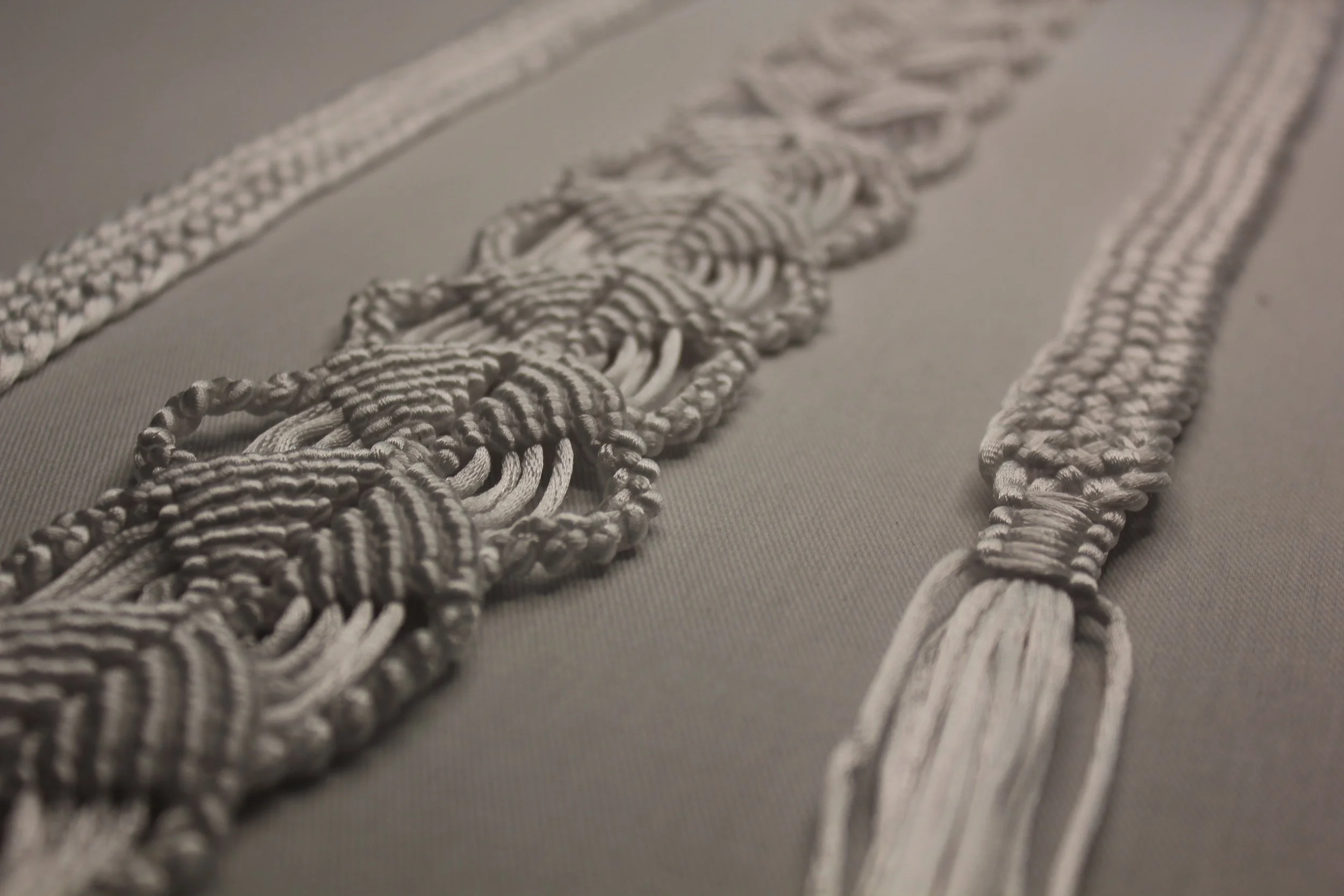
The ritual involves the couple joining hands while a cord or cords are wrapped around them, creating a physical symbol of their commitment to one another. The binding represents two individual lives being joined together — a simple gesture with profound meaning.
Today, handfasting is enjoyed by couples across the world, from those wishing to honour their Celtic or Irish heritage to those simply looking for a meaningful and personal addition to their wedding ceremony.
But where did the tradition begin?
ROOTS IN CELTIC AND GAELIC TRADITION
Handfasting is particularly associated with the Celtic and Gaelic traditions of Ireland, Scotland and the wider British Isles.
The exact history of the ritual is difficult to trace. Many of the stories surrounding handfasting have been passed down through folklore and modern retellings, and the ceremony as we know it today has evolved considerably over time.
Historical sources do, however, provide evidence of handfasting and related marriage customs in Scotland and Ireland, where the joining of hands and the use of symbolic binding formed part of cultural traditions surrounding relationships and marriage.
Rather than belonging to one single moment or place, handfasting is best understood as a tradition that has changed and adapted over generations.
And perhaps that is part of what makes it so meaningful today.
THE MEANING OF THE CORD
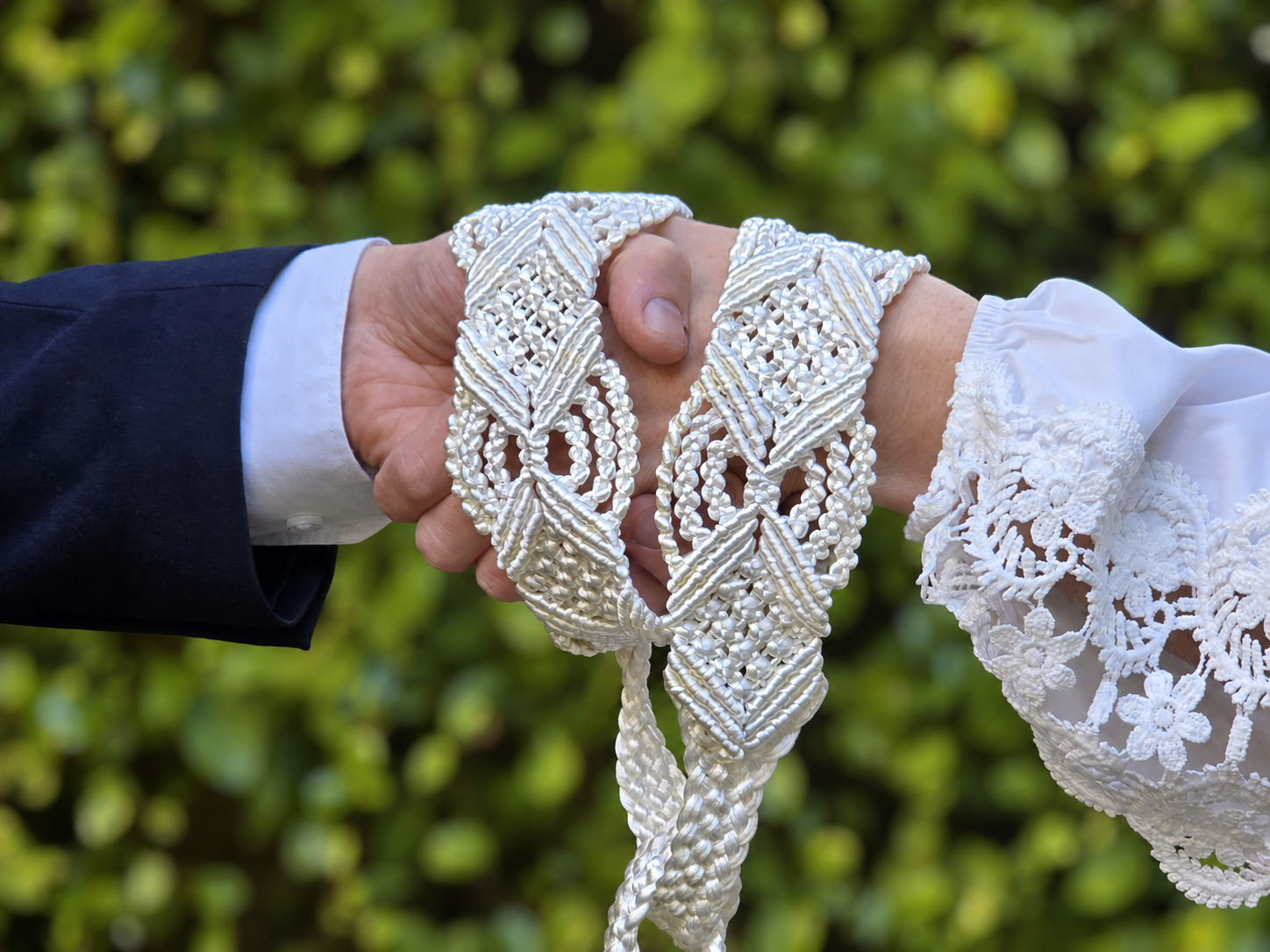
At the heart of a handfasting ceremony is the cord.
The couple's hands are joined, and the cord is wrapped around them as vows or promises are exchanged.
The physical act of binding creates a powerful symbol: two people choosing to walk through life together.
The cord can also represent the joining of families, histories and futures.
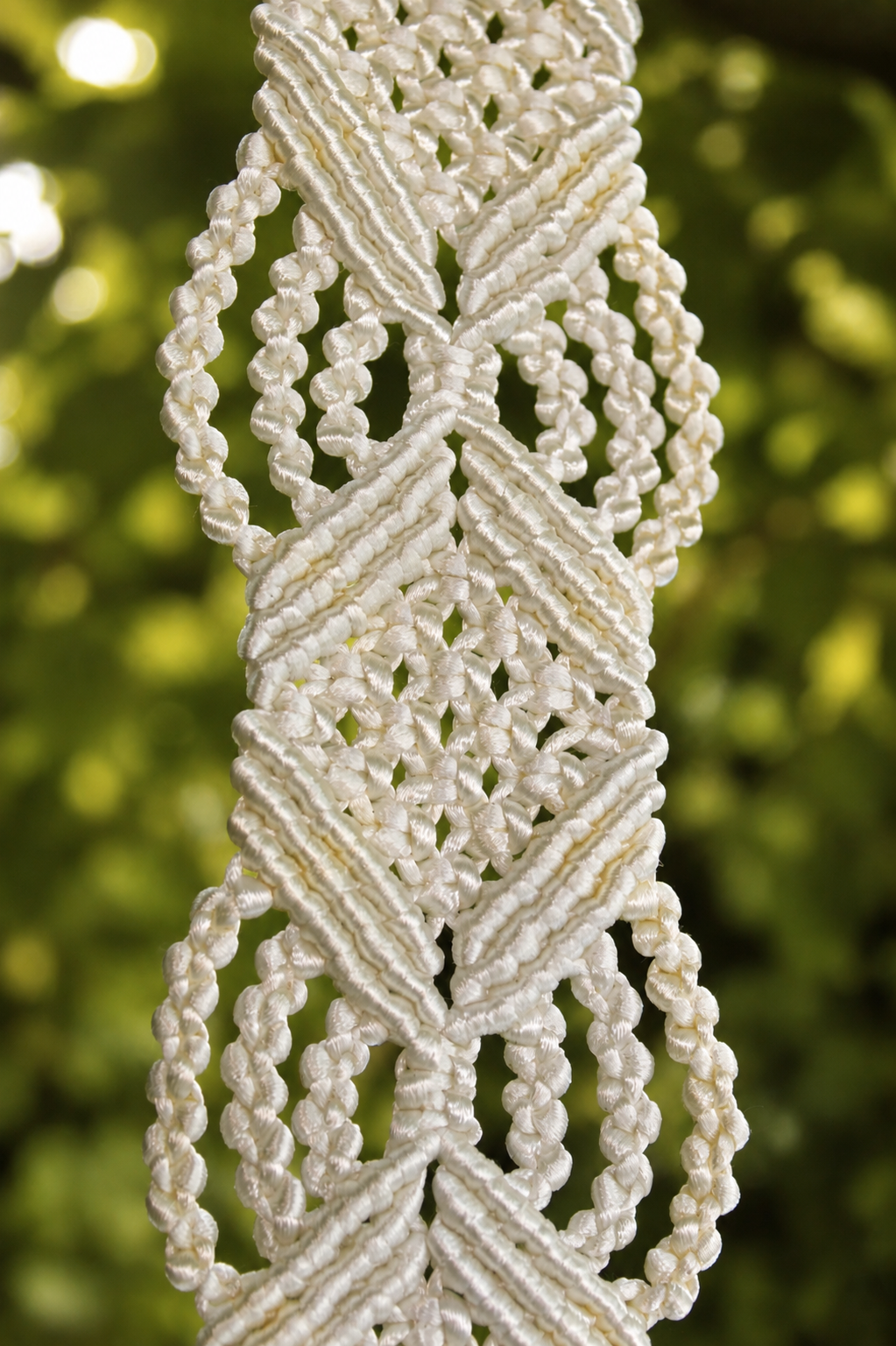
For many modern couples, its meaning is entirely personal. Some choose colours to represent their families, their heritage or their wedding. Others incorporate meaningful symbols, charms or personal details.
There is no single way to create an Éirloom.
Your cord can be as unique as the story it represents.
FROM TRADITION TO MODERN WEDDINGS
Handfasting has experienced a revival in modern wedding ceremonies.
Couples today are rediscovering the ritual as a way of making their ceremony more personal and symbolic.
It can be incorporated into religious, spiritual, humanist, civil or non-traditional ceremonies, depending on the couple and their celebrant.
Some couples choose to have their hands bound while they exchange their vows. Others incorporate the ritual at another point during the ceremony.
There is no requirement for a handfasting ceremony to follow one particular format.
The most important thing is what the ritual means to you.
For Éirloom, handfasting is also an opportunity to celebrate Ireland's rich heritage of craft, storytelling and ceremony.
Ireland has a long history of textile traditions, weaving and intricate decorative craftsmanship. These traditions inspire the way we approach each cord today.
Our cords are made in Belfast, Northern Ireland, bringing together contemporary textile artistry with inspiration drawn from the island's cultural heritage.
For couples with Irish ancestry living around the world, a handfasting cord can be a particularly meaningful way of acknowledging that connection.
Whether your family has roots in Belfast, Cork, Donegal, Galway or somewhere further afield, your wedding can carry a small piece of that story with it.
THE CEREMONY
How does a handfasting work?
Although every ceremony is different, a handfasting might look something like this:
1. The couple join hands
The couple face one another and hold hands, often crossing their wrists to create a symbol of infinity.
2. The cord is placed around their hands
The celebrant, family member or another chosen person places the handfasting cord around the couple's joined hands.
3. The vows are spoken
As promises are exchanged, the cord is wrapped or tied around their hands.
4. The binding is completed
The finished binding represents the promises the couple have made and their commitment to walk through life together.
5. The cord becomes a keepsake
After the ceremony, the cord can be carefully stored and kept as a physical reminder of the wedding day.
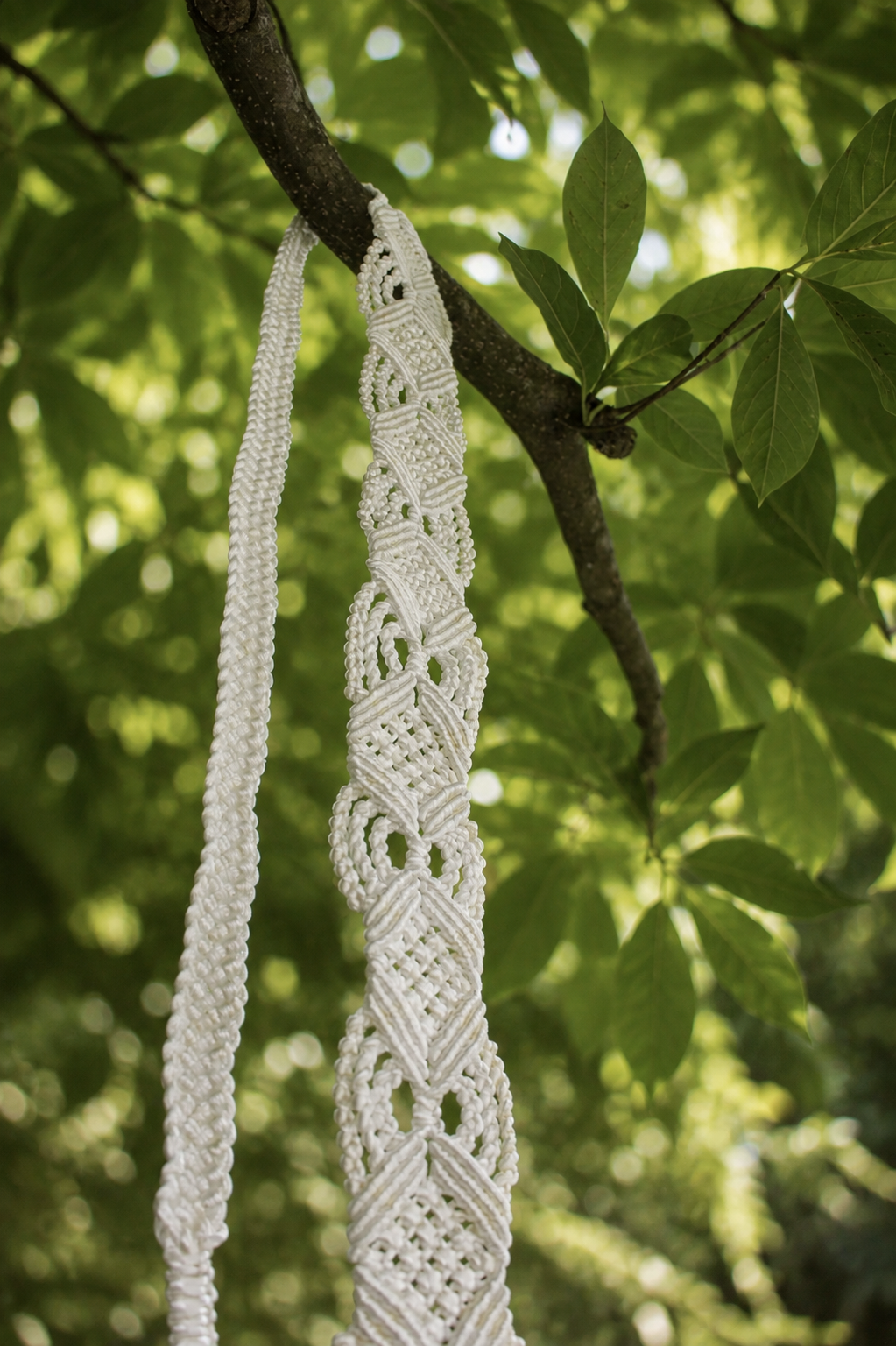
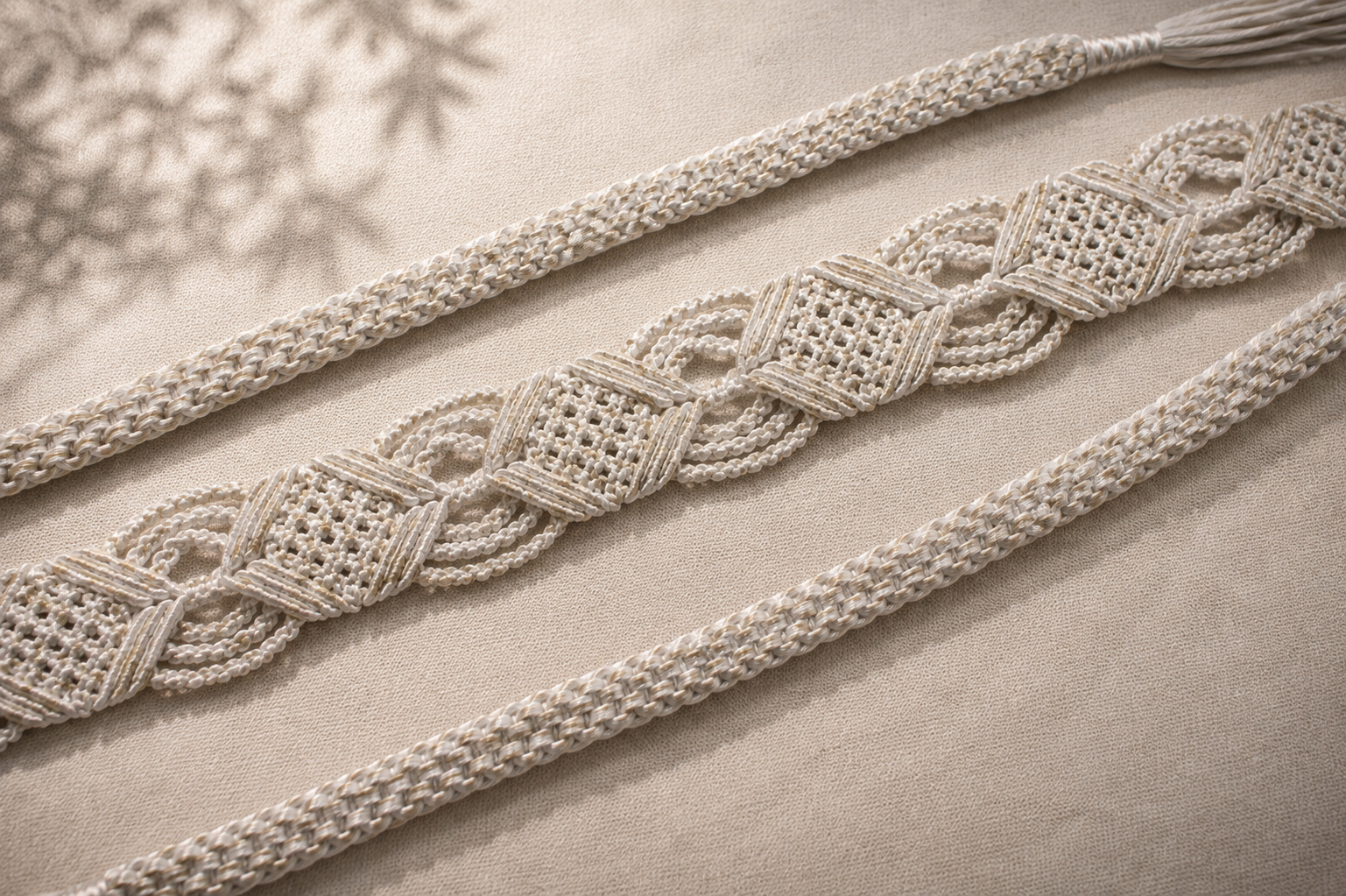
A wedding ring is traditionally something that stays with you throughout your marriage. We believe your handfasting cord can be something similar.
Once your ceremony is over, it doesn't need to be packed away and forgotten. It can be kept alongside your wedding photographs, brought out on anniversaries and treasured as a reminder of the promises made on your wedding day.
And perhaps, many years from now, it could be passed to another generation. A cord made for one wedding can become part of a family's story.
That is the idea behind Éirloom.